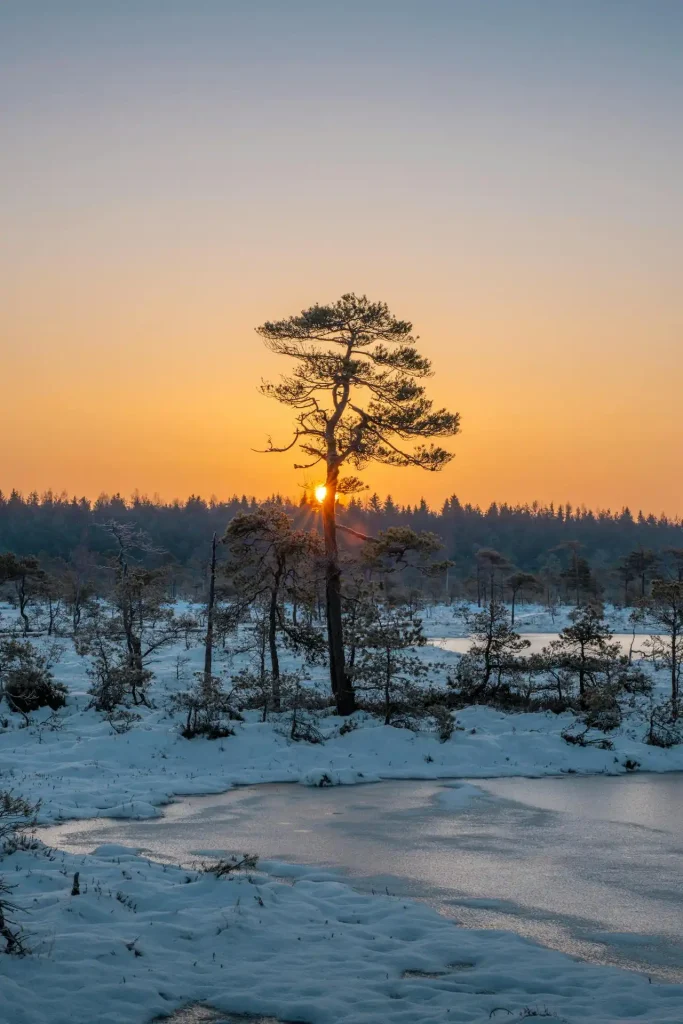
Estonia Top 10 Fairytale Places is a phrase that conjures visions of enchanting landscapes, medieval towns, and magical forests.
Estonia Top 10 Fairytale Places truly exist, offering visitors a journey through storybook settings where history, legend, and natural beauty intertwine in unforgettable ways.

Tallinn Old Town: a medieval wonder
Tallinn Old Town stands as the crown jewel among Estonia’s fairytale destinations. With its cobbled streets, centuries-old merchant houses, and soaring church spires, Tallinn’s historic center transports visitors to another era. The city’s medieval walls, complete with watchtowers, encircle a labyrinth of alleyways where every turn reveals a new story. During winter, snow blankets the rooftops, and the Old Town transforms into a true winter fairytale, enhanced by festive lights and bustling Christmas markets. The legend of Vana Toomas, the city’s guardian weather vane, adds to the mystical atmosphere, reminding locals and visitors alike of Tallinn’s rich folklore. Beneath the city, the Bastion Passages—tunnels dating back to the 17th century—offer a glimpse into the city’s hidden history, further cementing its magical reputation.
Toompea Hill, the seat of legends
Rising above Tallinn’s Old Town, Toompea Hill is steeped in myth and history. This limestone plateau has been the seat of power for centuries, crowned by the imposing Toompea Castle and the pink façade of the Estonian Parliament. The hill is also home to the Alexander Nevsky Cathedral, whose onion domes dominate the skyline. Legends abound here, including tales of Linda, the mythical mother of the Estonian people, said to have built the hill stone by stone. The panoramic views from Toompea’s viewing platforms reveal the red-tiled roofs and spires of the city below, creating a scene straight out of a storybook.
Kuressaare Castle, the island fortress
On the island of Saaremaa, Kuressaare Castle rises from a moat, its formidable walls and towers reflecting in the still waters. Built in the 14th century, this Gothic fortress is one of the best-preserved medieval castles in the Baltic region. Visitors can explore its ramparts, dungeons, and museum exhibits that recount the island’s turbulent history. The castle grounds host festivals and open-air concerts, while the surrounding park and seaside promenade add to the fairytale setting. Kuressaare’s tranquil atmosphere, combined with its spa culture, make it a magical retreat for those seeking both adventure and relaxation.
Lahemaa National Park – enchanted forests and manors
Lahemaa National Park, Estonia’s largest, is a realm where dense forests, mossy bogs, and wild seashores meet grand manor houses. The park’s trails wind through ancient woodlands, past mysterious boulders and serene lakes. Among the highlights are the Sagadi, Palmse, and Vihula manors, each offering a glimpse into the aristocratic past. The Blue Springs of Saula, with their crystal-clear waters, are said to possess healing powers and are steeped in local legend. In autumn, the park’s landscape transforms into a tapestry of gold and crimson, making it one of Estonia’s most magical natural escapes.
Rakvere Castle: history and fantasy
Perched on a hill in northern Estonia, Rakvere Castle is a fortress that brings medieval history to life. Built in the 14th century, the castle now serves as an interactive museum where visitors can try archery, explore torture chambers, and watch costumed reenactments. The nearby Tarvas statue, a giant aurochs, stands as a symbol of strength and resilience. The castle’s dramatic ruins and lively events make it a favorite for families and history enthusiasts, while the surrounding town offers charming cafés and cultural attractions.
Viljandi – ruins and folk tales
Viljandi, nestled in southern Estonia, is a small town with a big heart. Its most iconic feature is the ruined Viljandi Order Castle, perched above a scenic lake. The town is renowned for its annual folk music festival, which fills the air with song and transforms the medieval ruins into a stage for performers from around the world. Viljandi’s winding streets, handicraft shops, and vibrant cultural scene make it a place where tradition and creativity meet. The surrounding hills and forests add to the town’s fairytale charm.
Hiiumaa – the island of lighthouses and legends
Hiiumaa, Estonia’s second-largest island, is a land of windswept beaches, pine forests, and maritime legends. The island is dotted with historic lighthouses, such as Kõpu and Ristna, which have guided sailors for centuries. Hiiumaa’s tranquil villages and unspoiled nature make it a haven for those seeking solitude and inspiration. The island’s folklore is rich with tales of witches and giants, and its unique culture is celebrated in local festivals and crafts. Whether cycling along coastal roads or exploring hidden coves, visitors to Hiiumaa often feel as though they’ve stepped into a forgotten world.
Soomaa National Park: the land of bogs and floods
Soomaa National Park is famed for its vast peat bogs, mysterious forests, and the so-called “fifth season,” when spring floods transform the landscape into a watery wonderland. Canoeing through flooded forests is a surreal experience, as trees rise from the water and silence reigns. The park is home to rare wildlife, including elk, beavers, and golden eagles. Wooden boardwalks allow visitors to explore the bogs on foot, while traditional dugout canoe workshops offer a glimpse into ancient skills. Soomaa’s untouched wilderness and shifting seasons create an ever-changing fairytale setting.
Tartu – the city of students and stories
Tartu, Estonia’s intellectual capital, is a city where history, art, and youthful energy converge. The heart of Tartu is its Old Town, with pastel-colored buildings, lively squares, and the iconic “Kissing Students” fountain. Toomemägi Hill, the city’s ancient settlement site, offers peaceful parks and the ruins of Tartu Cathedral. Tartu’s vibrant café culture, museums, and street art reflect its creative spirit. The city’s many legends and traditions, coupled with its academic heritage, make it a place where every corner tells a story.
Panga Cliff – where land meets legend
On the northern coast of Saaremaa, Panga Cliff rises dramatically above the Baltic Sea, its limestone face revealing layers of geological history. This ancient site was once a sacred place for pagan rituals, and local legends tell of offerings made to the sea. The cliff offers breathtaking views, especially at sunset, when the sky and water merge in a palette of colors. The surrounding area is rich in wildlife and wildflowers, adding to the sense of natural magic. Panga Cliff is a reminder of Estonia’s deep connection to the land and its enduring myths.