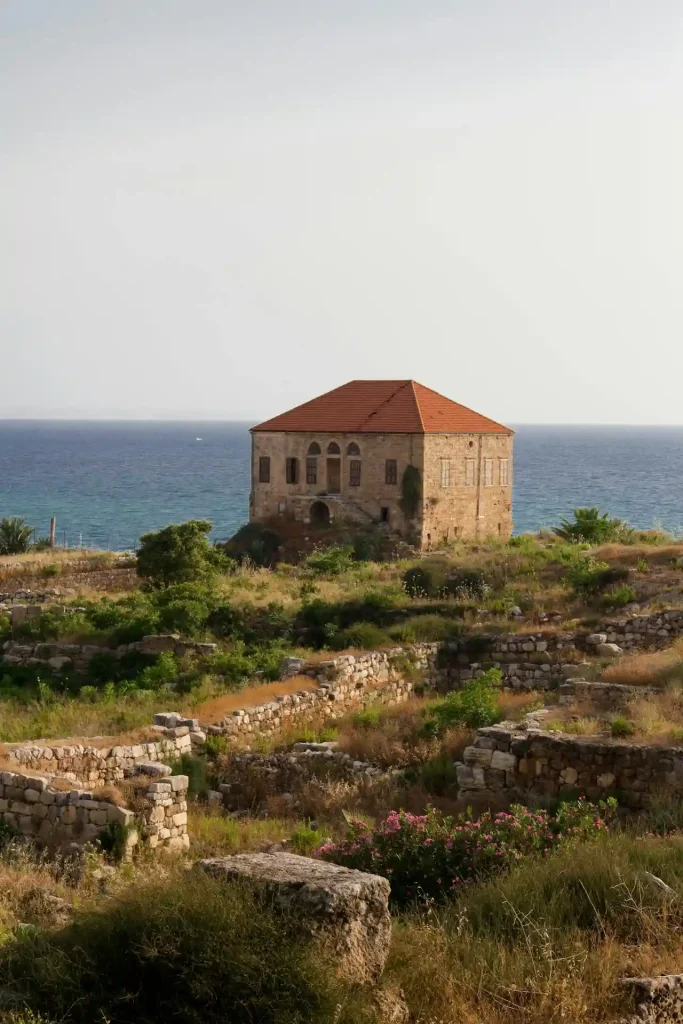
Lebanon Top 10 Fairytale Places unveils a realm of enchanted mountains and whispered legends, and by exploring Lebanon Top 10 Fairytale Places, travelers discover hidden villages clinging to ancient cliffs and secret waters reflecting storybook visions.
This Mediterranean nation, long celebrated by poets and painters, harbors ten remarkable destinations where fairytale charm flourishes in forgotten corners, far from the beaten travel routes that define contemporary tourism.

Cedars Of God Forest
Nestled within the northern mountains near Bcharre, the Cedars of God Forest stands as Lebanon’s most iconic natural sanctuary and a UNESCO World Heritage site.
These ancient trees, some exceeding three thousand years in age, tower majestically against alpine skies, their gnarled limbs etched with millennia of resilience.
The forest’s mystical atmosphere deepens during dawn, when mist clings to the sentinel cedars and sunlight filters through emerald needles, casting ethereal shadows across the snowcapped ground.
Walking among these venerable giants evokes the sensation of stepping into an enchanted realm where time moves differently, and each breath carries the profound scent of resin and centuries.
The surrounding plateau opens onto panoramic vistas of the Qadisha Valley below, a natural amphitheater of stone and forest that completes the fairytale landscape.
Deir El Qamar’s Architectural Poetry
Perched within the Chouf Mountains, Deir El Qamar unfolds as a jewel of preserved Lebanese heritage, where traditional stone mansions line narrow, winding pathways that seem designed by imagination rather than urban planning.
The village’s central plaza radiates charm through its eighteenth-century architecture, with arched doorways, carved wooden balconies, and sun-warmed facades painted in warm ochre and cream tones.
Historical monuments punctuate the streetscape – the sixteenth-century Fakhreddine Mosque and various restored palaces whisper stories of generations past. Seasonal festivals dedicated to music, art, and traditional crafts transform the village squares into living galleries, while small cafes tucked into ancient archways offer refuge for contemplative afternoons.
The surrounding hills showcase terraced vineyards and olive groves that frame the village in layers of green, creating a storybook setting where the boundary between history and present dissolves.
Beiteddine Palace’s Grandeur
Rising dramatically between Deir El Qamar and Mount Lebanon’s verdant slopes stands Beiteddine Palace, an architectural masterpiece constructed throughout the nineteenth century by Emir Bashir Shihab II.
The palace’s sprawling complex encompasses three grand courtyards adorned with intricate mosaics, cascading fountains, and arcaded galleries that showcase traditional Lebanese craftsmanship at its pinnacle.
Ornate ceilings soar overhead, their geometric patterns and inlaid designs creating an almost hypnotic visual rhythm.
Stone staircases curve gracefully between levels, leading visitors through chambers that alternate between intimate salons and vast reception halls.
The palace’s elevated position commands sweeping views of emerald valleys and distant mountain ridges, while its architectural vocabulary blends Ottoman influence with distinctly Lebanese sensibility, creating an otherworldly aesthetic that transports visitors into a realm of historical romance and artistic achievement.
Baatara Gorge Waterfall’s Subterranean Drama
Among Lebanon’s most surreal geological formations, the Baatara Gorge Waterfall plummets dramatically through a chasm framed by three successive natural limestone bridges that rise one above the other in defiance of gravity.
During spring snowmelt, a cascade of crystalline water drops approximately 255 meters into the Balaa Pothole, an underground cavern carved from Jurassic limestone by millions of years of erosion.
The three bridges, stacked vertically and adorned with wildflowers and moss during season, create an otherworldly theatrical backdrop. Visitors descending into the chasm experience a gradual temperature shift and an increasingly mystical ambiance as the waterfall’s thunderous roar grows louder and the walls close inward, dripping with mineral-rich moisture.
The sight of water vanishing into darkness below, disappearing into cave systems that reemerge kilometers away, evokes the sensation of witnessing nature’s hidden machinery – a fairytale moment where the ordinary rules of landscape seem suspended.
Anfeh’s Whitewashed Coastal Enchantment
Along Lebanon’s northern coastline sits Anfeh, a fishing village often called “Lebanon’s Little Greece,” where whitewashed chalets and brilliant blue accents dot a rocky peninsula with remarkable Mediterranean charm.
Traditional salt pans shimmer beneath the sun, their crystalline surfaces reflecting light in a thousand dancing points, while ancient windmills stand weathered yet dignified against the sea breeze.
The iconic Tahet El Rih beach – whose name translates to “Under the Wind” – features white-and-blue wooden cabins perched on wooden piers that extend into turquoise waters of remarkable clarity.
Walking along the peninsula’s rocky paths reveals sea caves carved by millennia of waves, and small restaurants tucked into waterfront alcoves serve fresh catches while diners gaze directly at the Mediterranean.
The village maintains an unhurried atmosphere that transports visitors to an earlier era, where fishing rhythms and tidal patterns dictated daily life rather than digital devices.
Hasroun’s Rose-Hued Mountain Sanctuary
Positioned at 1,450 meters elevation on a slope overlooking the Qadisha Valley, Hasroun earns its nickname “the Rose of the Mountain” through its thousands of red-tiled roofs that bloom across hillsides like flower petals scattered by wind.
The village encompasses traditional Lebanese stone houses with characteristically high ceilings and arched windows, their architecture creating a visual continuity that makes the entire settlement resemble an organic, living organism rather than a constructed place.
Old churches dating to the eighth century – particularly Mar Mikhael and Mar Yaacoub – anchor the spiritual landscape, while the caves of Mar Mikhael and Mar Touma beckon explorers into subterranean passages that overlook the holy valley below. The village souk bustles with authentic energy, its small shops and mountain cafes radiating warmth and local culture.
Hasroun serves as a starting point for the Lebanese Mountain Trail, offering hikers access to cedar forests, alpine meadows, and freshwater springs believed to possess healing properties.
Moussa Castle’s Dream in Stone
Between Deir El Qamar and Beiteddine rises Moussa Castle, an improbable structure born from one man’s lifelong obsession to create a medieval fortress from his teenage imagination.
Built over six decades by Moussa Abdel Karim Al Maamari – who began sketching castles in school despite teachers dismissing his dreams – the castle showcases hand-carved stone and personalized architectural details that render it utterly unique.
Every stone bears distinct designs reflecting the builder’s artistic vision, and the castle’s towers, ramparts, and interior galleries transport visitors into a realm where personal determination transforms into physical form.
Today functioning as a museum, the castle displays traditional Lebanese tableaux, ancient weaponry spanning two millennia, and an extensive collection of artifacts that chronicle the country’s layered history.
The castle’s uniqueness lies not in architectural correctness but in its emotional authenticity—a monument to perseverance and creative vision that stands as a quirky, unforgettable testament to individual passion realized through patient work.
Tannourine Cedar Forest’s Mystic Abundance
The largest cedar forest remaining in Lebanon, Tannourine Cedar Forest Reserve encompasses thousands of ancient trees at altitudes where mist frequently envelops the landscape in ethereal cloudiness.
The forest’s biodiversity rivals that of nature preserves worldwide, with hiking trails winding through ecosystems supporting countless species of birds, plants, and small mammals. The towering cedars create a natural cathedral with soaring wooden columns and a canopy filtering sunlight into shifting patterns of green and gold.
Hidden waterfalls cascade through rocky terrain, their waters crystal-clear and cold from mountain snowmelt. The forest’s tranquility stands in sharp contrast to more heavily visited cedar groves, offering seekers of solitude access to genuine wilderness where the forest’s age and grandeur become almost palpable.
Walking these trails induces a meditative state; the rhythmic sound of footsteps on forest floor, the profound silence between bird songs, and the overwhelming presence of trees older than civilizations create an experience approaching the spiritual.
Jaj Cedar Reserve’s Alpine Sanctuary
Nestled at 1,500 meters elevation within the Byblos district mountains, the Jaj Cedar Reserve protects a remarkable cluster of ancient cedar trees that represent living relics of the forest that once covered Lebanon’s entire mountain range.
These specimens, some exceeding one thousand years in age, emerge from dramatic karst rock formations that create an almost lunar landscape.
The twisted trunks and gnarled branches of these venerable trees seem to embody stories of survival, resilience, and adaptation to harsh alpine conditions.
The reserve’s three hiking trails accommodate various fitness levels while offering progressively rewarding views of Lebanon’s mountain chains, distant coastal vistas, and the intricate patterns of agricultural terraces below.
Unlike the more famous Cedars of God, Jaj remains relatively undiscovered by mass tourism, allowing visitors to experience genuine solitude among these botanical ancients.
The cool alpine air carries the distinctive cedar perfume – a scent that appears to carry the concentration of centuries.
Aaqoura Lakes’ Mirror Reflections
Secluded within the mountains of Byblos district lie the Aaqoura Lakes, a series of serene water bodies framed by dramatic rocky terrain and accessible only to those willing to undertake rewarding mountain hikes.
These mountain reservoirs, surrounded by alpine meadows and sparse vegetation adapted to high altitude, reflect surrounding peaks in surfaces of such clarity that reality and reflection become visually indistinguishable.
The lakes’ terraced geography creates multiple levels of discovery – each new vista reveals another body of water nestled in rock formations that suggest intentional design rather than geological chance. Visitors exploring these lakes encounter profound silence broken only by wind, bird songs, and the distant sound of flowing water.
The landscape’s simplicity – rock, water, sky, and minimal vegetation – creates an almost monastic aesthetic where unnecessary details fall away and essential beauty remains. Photography enthusiasts find endless composition possibilities, while nature lovers discover spaces for genuine contemplation distant from human settlement and modern noise.