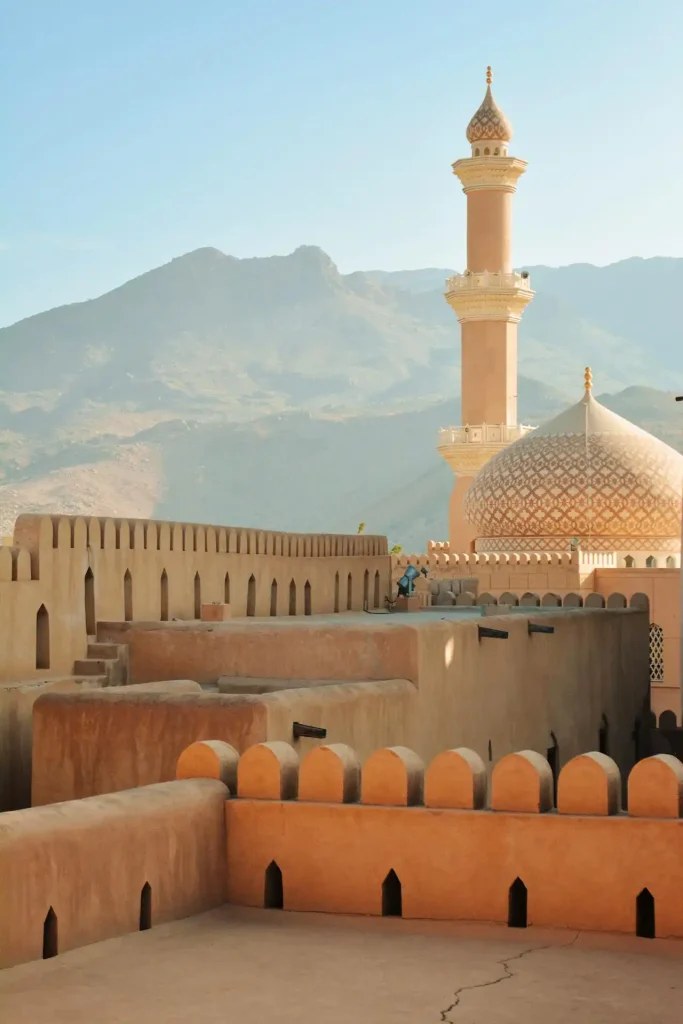
Oman Top 10 Fairytale Places opens doors to enchanted landscapes, where ancient villages cascade down mountain slopes.
While exploring Oman Top 10 Fairytale Places, turquoise waters emerge mysteriously from desert floors. Travelers can unlock the Sultanate’s most whimsical, underrated corners where storybook settings exist in tangible form.
The country’s hidden villages, dramatic wadis, and mystical sinkholes offer fairytale experiences far beyond conventional tourism circuits.
The fairytale essence of Oman’s hidden destinations emerges not from artificial embellishment but from geological and human authenticity.
Each village tells stories through architecture and irrigation systems; each wadi demonstrates water’s persistence; each sinkhole presents geological drama; each dune landscape shifts with wind and light.
These places reward travelers willing to venture beyond conventional circuits, offering experiences where landscape, climate, geology, and human culture combine into settings feeling genuinely enchanted precisely because they resist simplistic tourist narratives and demand engagement with authentic complexity.

1. Misfat Al Abriyeen: Terraced gardens and ancient waterways
Cascading down a mountainside in the interior Hajar range, Misfat Al Abriyeen emerges as a sensory immersion into millennial-old agricultural life.
Narrow mud-brick passageways wind between traditional houses built with earthen walls and wooden beams, leading travelers through a three-dimensional maze of terraced crops and shade-dappled walkways. The UNESCO-protected falaj irrigation system, some channels carved into mountain rock over 2,000 years ago, whispers gently through the village, channeling water from hidden springs downward by gravity alone.
Visitors encounter cascades of date palms, pomegranate trees, and fig groves arranged in impossible tiers on hillside terraces, where the intricate distribution of water still follows centuries-old customs. The village remains inhabited by families who maintain both ancient practices and modern comforts, creating an authentic living landscape rather than a preserved museum.
Walking here means treading paths where the same families have tended identical plots for generations, making Misfat feel suspended between past and perpetual present.
2. Al Hamra: Ghost town with 400-year-old mud-brick houses
Spread across a valley floor at the foot of Jebel Shams mountain, Al Hamra presents Oman’s most poignant contrast between abandonment and endurance.
The 400-year-old settlement of mud-brick dwellings emptied between 1995 and 2005 as residents relocated to modern housing nearby, yet the old village remains standing – a ghost town that pulses with residual life. Two- and three-storey mud structures feature hand-carved wooden doors, mortised with expertise from pre-industrial craftsmanship, while narrow alleyways frame views of surrounding date plantations fed by traditional falaj systems.
The intact mudbrick architecture, built in the Yemeni style, represents one of Arabia’s finest examples of vernacular construction, where mud and stone proved sufficient shelter for centuries. Within this archaeological landscape, Bait Al Safah operates as a living museum, a 400-year-old house where visitors experience traditional Omani domestic arrangements while locals continue heritage crafts like oil extraction and traditional bread baking.
The emotional weight of walking through silent streets encountering unexpected pockets of living tradition creates an uncanny, fairytale-like atmosphere where time genuinely seems negotiable.
3. Bilad Sayt: Remote village with improbable green football field
Nestled deep within Wadi Bani Awf in the Hajar Mountains, Bilad Sayt remains one of Oman’s most deliberately hidden settlements, accessible only via challenging four-wheel-drive roads and steep rocky passages that reward perseverance with visual magic.
The village’s defining feature – an emerald-green football field rising incongruously from surrounding brown earth – creates a surreal landscape where sport invades wilderness. This field, initially constructed for a 2016 automotive advertisement, continues serving the village’s handful of families, offering an otherworldly contrast between careful cultivation and absolute desolation.
Traditional mud-brick houses cluster near a mosque, surrounded by extensive date palm plantations and terraced gardens that demonstrate human determination to cultivate in extreme terrain. Narrow alleyways between homes connect to a historic stone watchtower offering panoramic vistas across the valley, while nearby Snake Canyon and Snake Gorge invite those seeking geological adventure.
The village’s remoteness, combined with sudden eruptions of human activity and careful agriculture, grants Bilad Sayt a dreamlike quality reminiscent of enchanted settlements existing outside conventional geography.
4. Jebel Akhdar: Alpine plateau with rose terraces and hanging villages
The Green Mountain rises above surrounding plateaus at 2,000 meters elevation where cooler temperatures and regular precipitation create Oman’s only alpine-like ecosystem.
During spring months, entire hillsides explode into pink when Damask roses bloom across terraced slopes, their fragrance drifting through air scented with juniper and pomegranate blossoms. Villages like Al Ayn and Al Aqur perch on dramatic rocky outcroppings accessible via trails that switchback through impossible gradients, connecting hanging settlements where residents have engineered agricultural terraces on near-vertical mountainsides.
Ancient falaj channels carry water from mountain springs through these communities, where orchards of apricots, pomegranates, and walnuts flourish in conditions that appear botanically impossible. The plateau’s geography creates its own microclimate, with mornings often shrouded in mist that burns away to reveal vistas extending across arid valleys below.
Hiking between villages reveals abandoned hamlets and active gardens within the same vista, layering time visually as travelers move through spaces representing different eras of habitation and cultivation.
5. Wadi Shab: Waterfall-fed pools hidden in limestone canyons
Wadi Shab cuts through limestone with an emerald ribbon of water that seems impossible in Oman’s aridity, creating a verdant corridor where palm groves frame swimming pools of astonishing turquoise clarity.
The wadi hike involves progressive immersion – starting through date plantations before ascending into canyons where water flows faster and canyon walls narrow, eventually requiring swimmers to wade and navigate through waist-deep passages toward hidden surprises. The journey culminates in a dramatic cave where a waterfall plunges directly into a crystalline pool accessible only to those willing to swim the full journey, creating a sense of earned discovery.
Limestone formations create natural sculptures, while cool water temperature offers profound relief in contrast to surrounding desert heat. The wadi’s ecosystem supports wildlife adapted to this water source, with bird calls echoing through canyons and small fish inhabiting pools.
The sensory intensity (from bright daylight to shadowed canyon coolness, from palm-scented air to fresh waterfall spray) accumulates into an experience feeling genuinely magical, transporting visitors to landscape types that shouldn’t exist in this geography.
6. Wadi Bani Khalid: Cascading oasis with hidden cave systems
Sprawling deeper into the Al Hajar Mountains than most casual visitors penetrate, Wadi Bani Khalid presents a series of interconnected oases where natural springs maintain crystal-clear turquoise pools year-round.
The wadi’s entrance area attracts swimmers to popular pools surrounded by date palms and towering cliff faces, yet the valley extends far beyond these visible areas into remote sections where few travelers venture. Ancient falaj systems still carry water through the wadi’s communities, supporting vegetation in otherwise barren landscape, while limestone formations create natural grottos and small waterfall formations accessible to explorers willing to wade upstream.
Several cave systems punctuate the wadi walls, offering shelter and historical significance to communities that inhabited these spaces for centuries. The water’s unusual clarity – created by natural filtration through limestone aquifers – creates an ethereal quality, making underwater rocks appear suspended rather than submerged.
Walking through Wadi Bani Khalid means encountering layered evidence of human habitation spanning millennia, where water sources have continually drawn communities back to these same locations across generations.
7. Wadi Damm: Surreal landscape with ancient petroglyphs for swimmers
Positioned in the northern reaches near Jebel Akhdar, Wadi Damm rewards adventurers with progressively spectacular pools accessible only through physical persistence and swimming capability.
The entrance to the wadi involves navigating boulder fields and scrambling over rocky terrain, yet each successive pool encountered justifies the effort through increasingly surreal landscape features. The wadi’s walls contain ancient petroglyphs dating approximately 2,600 years into antiquity, mysterious artwork etched by people who similarly navigated these same passages, creating psychological connection across millennia.
Natural canyon passages narrow to dimensions where swimmers must navigate through water-filled sections, creating an intimate immersion into geology formed over geological time scales. The final pools, accessible only to determined swimmers willing to navigate deep water passages and proceed through cave-like canyon sections, achieve a quality of discovery that modern travelers rarely experience.
Each successive pool reveals new geological formations – overhanging rocks, natural pools, color variations in limestone – accumulating into visceral experience of landscape sculpted by water persistence over eons.
8. Bimmah Sinkhole: Perfect crater lake with turquoise waters
A nearly perfect circular opening pierces the coastal landscape near Qurayyat where limestone erosion and underground cave collapse created this striking geological feature.
Known locally as Hawiyat Najm meaning “falling star,” legend attributes its creation to meteoric impact, though geological evidence points to natural subsurface processes. The sinkhole plunges approximately twenty meters to turquoise water where fresh and brackish waters blend creating color shifts between azure and deeper emerald depending on angle and light conditions.
Surrounding parkland provides access via concrete staircases descending into the crater, allowing visitors to reach water level where swimming occurs among limestone walls rising dramatically from pool margins. The surreal experience of floating in turquoise water completely surrounded by golden limestone cliffs in midst of otherwise flat terrain creates genuine disorientation – a landscape so geometrically perfect it appears almost artificial.
The sinkhole’s geological origin remains partially mysterious, adding psychological intrigue to already striking visual presentation, making it feel like landscape designed by artist rather than natural processes.
9. Wahiba Sands: Golden dunes with nomadic Bedouin heritage
Stretching across more than 12,500 square kilometers, the Wahiba Sands creates a golden desert landscape where wind-sculptured dunes shift up to ten meters annually, making permanent roads geometrically impossible.
Pale gold at midday, the dunes transform into warm yellows and coppery oranges as solar angles shift, creating ever-changing chromatic palette that pulses with color throughout daylight hours. Though appearing absolutely barren, the sands maintain surprising biodiversity—underground water reserves support wildlife adapted to extreme aridity, while approximately 3,000 Bedouin people continue traditional nomadic patterns within the dune fields.
Desert camps positioned within the sands offer immersion into this landscape, where nights reveal skies unpolluted by artificial light, making the Milky Way visible with clarity rarely experienced in modern life. Traditional lifestyles continue here – camel herding, traditional clothing, subsistence within extreme environment – connecting modern visitors directly to heritage existing elsewhere only in historical records.
The psychological impact of complete environmental immersion in landscape entirely transformed by wind and time creates profound sensory and contemplative experiences distinct from conventional tourism engagement.
10. Musandam Peninsula: Dramatic fjords and isolated coastal villages
Projecting northward into the Strait of Hormuz, the Musandam Peninsula presents dramatic landscape often compared to Norwegian fjords, yet existing in Arabian context where stark desert mountains plunge directly into turquoise waters.
Limestone mountains rising vertically from sea level create khors—fjord-like inlets—that twist through mountains in complex patterns, accessible primarily via traditional dhow cruises that reveal hidden beaches, secret coves, and occasional dolphin pods.
Remote villages like Kumzar maintain cultures and languages genuinely isolated by geography, with inhabitants speaking Kumzari – a rare linguistic dialect reflecting centuries of maritime trade connections. Telegraph Island, positioned historically as a British communication station in the nineteenth century, now attracts snorkelers discovering vibrant coral ecosystems supporting diverse marine life.
The contrast between austere desert mountains and vibrant turquoise waters creates visual drama where starkness meets color – landscape presenting almost mythological quality where opposing environmental conditions coexist. Traditional fishing communities maintain practices extending back generations, their presence connecting historical maritime traditions to contemporary landscape experience.