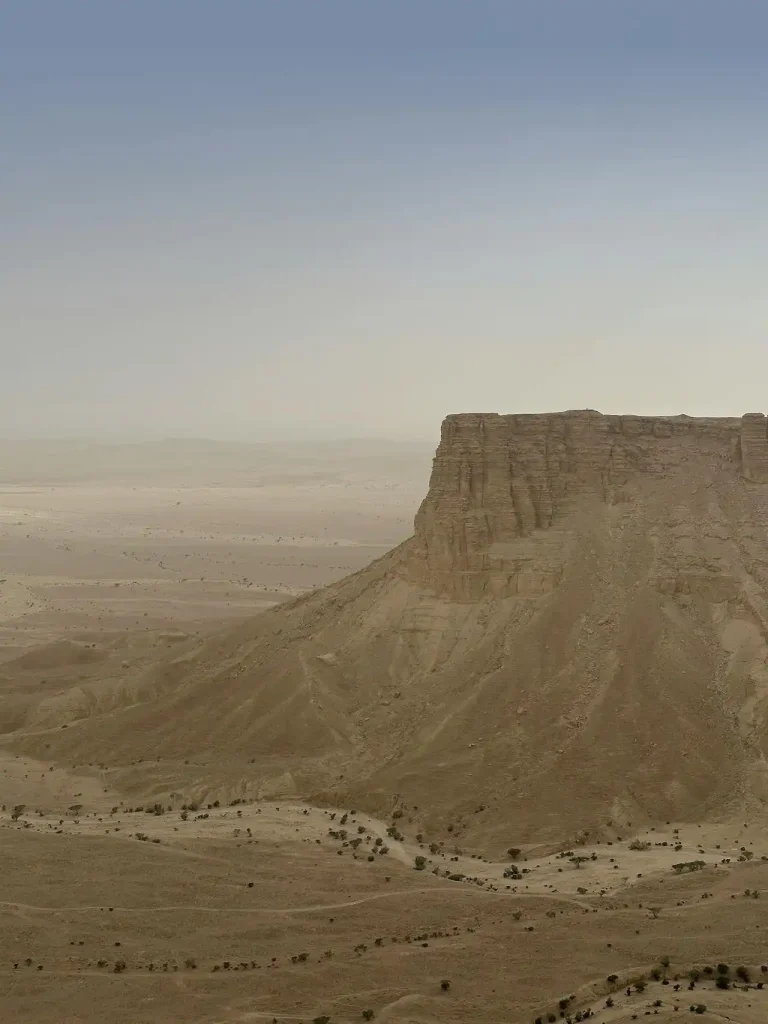
Saudi Arabia Top 10 Fairytale Places introduces a world of hidden landscapes and storybook villages that defy the common image of endless deserts.
Our selection of Saudi Arabia Top 10 Fairytale Places helps travelers discover the most magical corners of the country, where ancient traditions meet breathtaking natural wonders.

1. Hegra – The ancient Nabatean tombs
Hegra, known as Madain Saleh, stands as Saudi Arabia’s first UNESCO World Heritage Site and represents one of the most extraordinary archaeological treasures in the Middle East.
This ancient Nabatean city features over one hundred monumental tombs carved into massive sandstone cliffs, creating a landscape that feels frozen in time.
The rock-cut facades display intricate architectural details – carved urns, pilasters, and pediments – that showcase the skilled craftsmanship of civilizations long past. The tombs glow in warm amber and rose hues during sunrise and sunset, when the light catches the sandstone and creates an otherworldly atmosphere.
Visitors exploring the site discover not only the grand burial monuments but also ancient settlements, sacred sites, and lesser-known secondary tombs scattered across the valley. The scale and preservation of Hegra rival the more famous Petra in Jordan, yet fewer travelers have experienced its serene desert setting.
2. Wadi Al-Disah – The Valley of Palms
Nestled in the Tabuk region, Wadi Al-Disah emerges as a striking hidden gem characterized by lush greenery and towering sandstone cliffs.
This verdant valley, often called the Valley of Palms, contains freshwater springs that create a remarkable contrast against the surrounding arid desert landscape. Visitors encounter tall palm trees, green vegetation, and ancient rock carvings etched into the canyon walls – evidence of civilizations that thrived here thousands of years ago.
The valley’s winding trails lead through canyons where red and orange cliffs glow dramatically during the hours around sunrise and sunset. The interplay of water, stone, and vegetation creates an environment that feels almost tropical despite its desert location.
Hiking through Wadi Al-Disah reveals hidden pools, natural springs, and archaeological remnants that tell stories of the valley’s significance as a historical crossroads for traders and travelers.
3. Al-Ahsa Oasis – The world’s largest oasis
Al-Ahsa Oasis sprawls across eastern Saudi Arabia as one of the largest natural oases on Earth and holds the distinction of being a UNESCO World Heritage Site.
The landscape encompasses over two and a half million date palm trees creating a sea of green that stretches seemingly endlessly across the desert floor. Beneath the palms flow ancient irrigation canals – intricate systems of engineering that have sustained this ecosystem for countless centuries.
The oasis contains archaeological treasures dating back thousands of years, peaceful springs, traditional villages, and bustling local markets where vendors sell fresh dates, traditional crafts, and local goods. Wandering through the palm groves offers a sensory experience – the rustling of palm fronds, the fragrance of dates ripening on the trees, and the sight of golden light filtering through the dense canopy.
Al-Ahsa represents not merely a natural wonder but also a living testament to human resilience and adaptation in harsh climates.
4. Habala – The Hanging Village
Perched dramatically on a clifftside mountain face in the Asir region, Habala emerges as one of Saudi Arabia’s most visually striking and mysterious destinations.
The village sits approximately three hundred meters below the mountain peak, suspended on the slope of the Sarwat Mountains in such a way that it appears to defy gravity – earning its nickname as the Hanging Village.
Habala was once accessible only through rope ladders – the name derives from the Arabic word for rope – but modern infrastructure now includes cable cars that transport visitors down the steep cliff face.
The village was traditionally inhabited by a tribal community known as the “flower men” due to their custom of wearing garlands of dried flowers and herbs in their hair. Stone houses cling to the mountainside, their architecture adapted to the dramatic terrain. The panoramic views from Habala extend across vast valleys and surrounding peaks, creating vistas that inspire awe and wonder.
5. Rijal Almaa – The gingerbread village
Tucked away in the mountains of the Asir region, Rijal Almaa enchants visitors with architecture and artistry that make it feel lifted from a fairytale.
This UNESCO-listed heritage village showcases beautifully preserved mud-brick houses featuring exquisite wooden balconies, ornate carved doors, and colorful frescoes painted across walls.
The village’s narrow alleyways wind between closely-packed structures, and locals – particularly women – continue traditional painting practices known as Al-Qatt Al-Asiri, creating stunning geometric and floral designs on interior and exterior walls. The craftsmanship displayed in every doorway and wall surface represents generations of artistic tradition.
Spectacular views of surrounding mountains and valleys frame the village, and the tranquil atmosphere invites slow exploration. Photography reveals unexpected beauty around each corner – weathered wooden doors with brass knockers, window lattices casting intricate shadows, and walls adorned with patterns that blend Islamic and local cultural influences.
6. Al Wahbah Crater – the volcanic marvel
Located in the Harrat Kishb basalt plateau approximately two hundred seventy kilometers northeast of Jeddah, Al Wahbah Crater presents one of the most geologically significant natural wonders in the region.
This massive maar crater – formed by a phreatomagmatic eruption over one million years ago – measures approximately two point three kilometers in diameter and two hundred fifty meters deep, making it the largest and deepest volcanic crater in Saudi Arabia.
The crater’s dramatic circular form reveals distinct geological layers in its towering cliff walls, telling the story of ancient volcanic forces. A shallow salt lake occasionally fills the crater floor, covered with white sodium phosphate crystals that create an almost lunar landscape.
The crater’s rim provides breathtaking panoramic views across the surrounding volcanic plateau, while descending into the crater requires stamina and care due to the steep paths. The stark beauty of the crater’s interior – barren stone walls, crystalline salt deposits, and isolated vegetation clinging to the rocky slopes – creates an unforgettable visual experience.
7. Umluj – Saudi Arabia’s Red Sea paradise
Known affectionately as the Saudi Maldives, Umluj showcases pristine beaches, crystal-clear turquoise waters, and vibrant coral ecosystems along the Red Sea coast.
This stunning coastal destination features numerous islands, each with secluded sandy beaches and transparent shallow waters ideal for swimming and snorkeling.
The Fwaida Islands and surrounding smaller islands support diverse marine life – more than two hundred thirty fish species inhabit these waters alongside endangered creatures including sea turtles, dolphins, and occasionally whale species.The waters maintain turquoise coloring due to marine plants and the purity of the sea environment. White sand beaches stretch along the coastline, and the calm atmosphere remains largely free from commercial development and crowded tourism infrastructure.
Visitors experience the Red Sea’s natural splendor through boat trips, snorkeling expeditions, diving adventures, and peaceful beach days. The interplay of light on water, the colors of tropical fish visible near the shore, and the serene island landscapes create scenes of unparalleled beauty.
8. Ushaiqer Heritage Village – The living museum
Hidden in the heart of the Najd region two hundred kilometers northwest of Riyadh, Ushaiqer offers a profound glimpse into a slower-paced Saudi society of centuries past.
This ancient settlement, dating back over one thousand five hundred years, began as a Bedouin settlement and quickly became a vital stopping point for pilgrims traveling toward Mecca – thanks to its natural springs and groves of olive and palm trees.
The village’s mud-brick architecture reflects authentic Najdi style, featuring thick protective walls, ornate triangular windows, wind towers that channel cooling breezes, and intricately carved wooden doors displaying family names and geometric patterns. Narrow, maze-like alleyways wind between houses, creating shaded passages that provide respite from the desert heat.
The restored Al Salem Museum within the village houses impressive collections of embroidered clothing, jewelry, ceramics, traditional weapons, and domestic implements that illuminate daily life from previous eras. Ascending nearby mountain roads reveals sweeping views of the entire village nestled below.
9. Elephant Rock – The desert sentinel
Located within the AlUla region, Elephant Rock – known locally as Jabal AlFil – rises dramatically from the desert floor as an iconic natural formation resembling an elephant with its trunk reaching toward the ground.
This massive sandstone monolith appears almost sculpted, with erosion patterns creating an uncanny likeness to the majestic animal. The formation glows with warm hues during golden hour – sunset providing particularly magical lighting for photography and contemplation.
Unlike many popular tourist sites, the area surrounding Elephant Rock remains relatively uncrowded, offering peaceful moments of discovery.
Visitors can explore the immediate area, settle by nearby fire pits where vendors provide light refreshments, and appreciate the formation from various angles as light conditions shift throughout the day.
At night, the clear desert skies above Elephant Rock offer exceptional stargazing opportunities, with the silhouetted rock creating a dramatic focal point against the star-filled heavens.
10. Farasan Islands – The Red Sea archipelago
Located approximately sixty kilometers west of Jazan in the southwestern corner of the kingdom, the Farasan Islands comprise nearly two hundred islands and constitute a hidden paradise of Red Sea beauty.
The archipelago supports pristine white sandy beaches, shallow turquoise lagoons, and thriving coral reef ecosystems hosting remarkable biodiversity. The islands shelter the Farasan gazelle – a distinctive Arabian gazelle species found nowhere else on Earth – along with diverse bird populations and marine creatures.
Ghadeer Bay ranks as the largest bay on the islands and features some of the Red Sea coast’s most striking beaches. Century Beach extends toward Al Ghadeer Bay with its crystalline turquoise waters and unspoiled surroundings. The islands support approximately fifty varieties of coral and boast the highest coral density in the southern Red Sea region.
Visitors experience the islands through diving expeditions, snorkeling adventures, camping on secluded beaches, and wildlife observation – all while remaining largely sheltered from mainstream tourism.