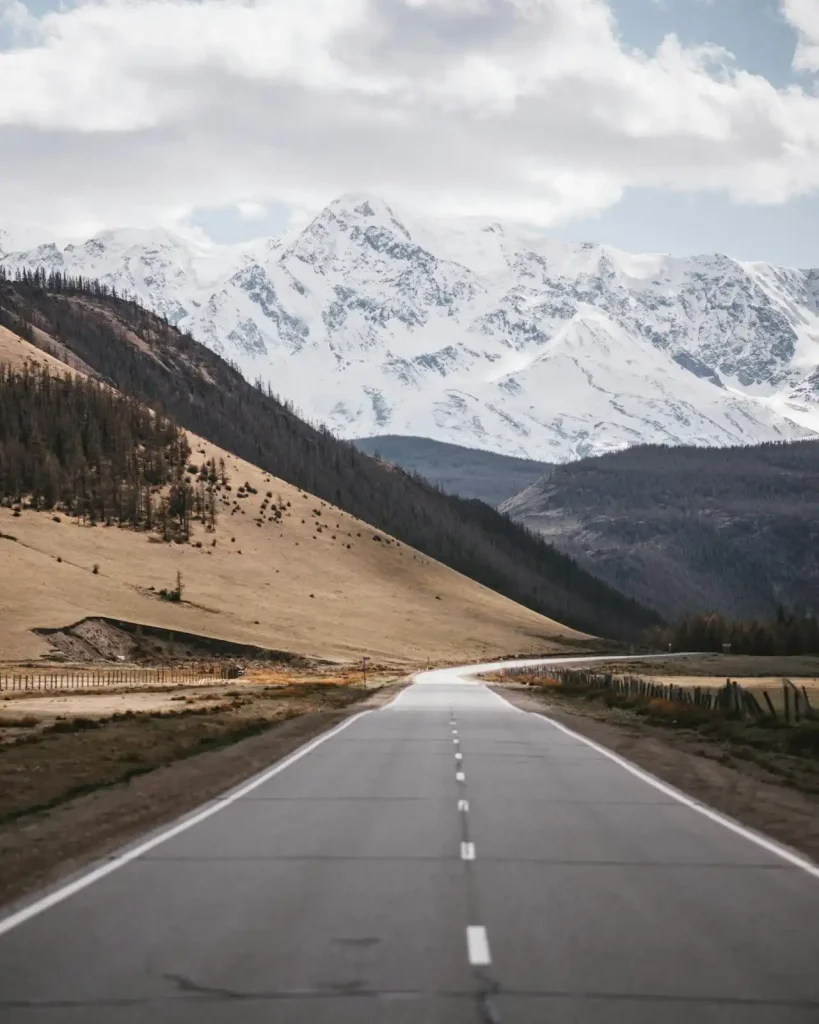
Mongolia Top 10 Fairytale Places introduces a world of hidden landscapes and storybook towns.
Explore Mongolia Top 10 Fairytale Places and discover its most magical corners that remain largely untouched by mainstream tourism.
This vast country stretches across endless steppes, soaring mountains, and mystical valleys where ancient traditions persist and natural wonders inspire awe at every turn.

Khövsgöl Lake: The Blue Pearl of Northern Mongolia
Nestled in Mongolia’s far north near the Russian border lies Khövsgöl Lake, often called the Blue Pearl of Mongolia.
This extraordinary alpine lake holds over 70 percent of the country’s fresh water and sits surrounded by taiga forest and snow-capped mountains.
The crystal-clear waters reflect towering peaks, creating a mirror-like surface that shifts from turquoise to deep indigo depending on the light. Visitors encounter peaceful wilderness where civilization feels impossibly distant. The surrounding landscape includes lush forests of larch and pine, with meadows abundant in wildflowers during summer months.
Travelers can meet Dukha reindeer herders, Mongolian shamans, and experience a way of life deeply connected to nature and spiritual traditions.
The tranquil atmosphere makes this destination feel separated from time itself, a place where fairytale serenity becomes reality.
Orkhon Valley: Where history And storybook landscapes merge
The Orkhon Valley sprawls across central Mongolia as a UNESCO World Heritage landscape, recognized for its cultural significance as the cradle of ancient nomadic civilizations.
Rolling green meadows stretch between the Khangai and Tarvagatai mountain ranges, dotted with traditional gers that seem pulled from illustrated children’s books. The valley holds the ruins of Karakorum, the former capital of the Mongol Empire, where earth and history intertwine.
Travelers trek alongside the mighty Orkhon River, discovering cascading waterfalls hidden within forested ravines. Ancient burial sites and stone monuments mark the landscape, telling stories of emperors and warriors.
Camping under star-filled skies beside the river creates an intimate connection to both Mongolia’s distant past and its timeless natural beauty.
The valley’s varied terrain offers endless opportunities for adventure while maintaining an almost dreamlike quality.
Tsaatan: The reindeer herders’ remote kingdom
High in the mountains of East Taiga Mongolia lives one of the world’s rarest cultures – the Tsaatan people, numbering between 200 and 400 individuals who herd reindeer through pine forests and alpine meadows.
Reaching their encampments requires a challenging journey, but arriving at these hidden camps feels like stepping into an ancient fairytale world. The landscape surrounding the Tsaatan combines wild terrain with breathtaking mountain vistas, creating a backdrop that seems almost too perfect to be real.
Visitors stay in traditional tepee-like dwellings called chums, sit by fires that warm the frigid air, and ride reindeer through dense forests. The Tsaatan share their lifestyle, beliefs, and stories passed down through generations. This experience offers genuine cultural immersion without staged performances or commercial tourism infrastructure.
For those seeking deep connection to vanishing traditions, the Tsaatan region represents an unparalleled fairytale encounter.
Khongoryn Els: The singing sands of the Gobi
In the extreme south of the Gobi Desert rise Khongoryn Els, monumental sand dunes that tower up to 300 meters high and stretch for 180 kilometers.
The golden sands reflect shifting light, creating waves of color that change throughout the day. These dunes possess a magical quality – as wind moves across their surface, they produce a deep, resonant humming sound resembling an aircraft engine, earning them the name Singing Sands.
Climbing to their summits reveals endless dunes rolling toward distant mountains, a landscape that appears extraterrestrial.
The surrounding valley is bordered by the Bayan Tsagaan Mountains to the north and the Zoolon and Sevrey Mountains to the south.
Camel treks through the dunes offer unforgettable adventures, while sunset viewing from the highest peaks creates moments of pure enchantment against the vast desert expanse.
Gorkhi-Terelj National Park: Fairytale rock formations and ancient temples
Only 55 kilometers northeast of Ulaanbaatar, this remarkably accessible national park contains landscapes that rival fairytale illustrations.
Pine-covered mountains frame rolling meadows filled with wildflowers, rocky outcrops jutting dramatically from the terrain. The park’s most recognizable feature is Turtle Rock, a 24-meter-high formation that appears as a colossal turtle emerging from the earth.
The Ariyabal Meditation Temple sits atop a hill with 108 stone steps representing an elephant’s trunk, connected by a symbolic Bridge of Heaven. The temple’s design incorporates the elephant’s head shape, creating an ethereal structure where 108 prayer wheels surround the main sanctuary.
Visitors can meet nomadic families, experience traditional ger life, ride horses across scenic valleys, and hike through forested mountains. The combination of natural beauty, spiritual significance, and accessible location makes this destination perfect for discovering Mongolia’s whimsical character.
Terkhiin Tsagaan Lake: The White Lake’s volcanic secrets
Terkhiin Tsagaan, meaning White Lake, was born from ancient volcanic activity when lava flows blocked river valleys and created this stunning alpine water body.
The freshwater lake sits at 2,060 meters elevation, surrounded by the dramatic Khangai Mountains.
Just east of the lake stands Mount Khorgo, an extinct volcano with a 200-meter-deep crater visitors can explore and peer into. The landscape combines volcanic features – ancient lava fields with strange rock formations – with peaceful alpine scenery.
Rare flowers and pine trees grow in the black volcanic soil, creating an otherworldly contrast. The lake itself invites kayaking, camping, and fishing, while nearby hot springs offer natural bathing experiences.
Folklore speaks of how a mother sealed a magical fountain to prevent flooding, creating the lake itself.
This blend of geological wonder and legendary storytelling makes Terkhiin Tsagaan Lake a destination of profound enchantment.
Yoliin Am: The ice canyon of eagles and vultures
Within the Gurvan Saikhan Mountains of the southern Gobi Desert lies Yoliin Am, also known as Vulture Valley – a dramatic canyon carved by water erosion over millions of years.
The gorge’s name references the bearded vultures that soar through its steep rock walls, though ibexes, snow leopards, and eagles also inhabit the region. A remarkable microclimate preserves thick ice fields even during summer months, creating surreal walkways across frozen surfaces when temperatures rise elsewhere in the desert.
The canyon widens at its entrance before gradually narrowing into a remarkable gorge, with vertical rock faces creating shadows that maintain coolness year-round.
The contrast between the arid desert surrounding the canyon and the lush stream running along its floor creates a striking visual fairytale. Hiking through this natural wonder reveals the earth’s raw power and beauty in ways that defy imagination.
Ikh Gazriin Chuluu: The granite boulder landscape of legends
Ikh Gazriin Chuluu, Mongolia’s largest granite formation, rises from the steppe like an otherworldly boulder garden sculpted by divine hands.
The 20-kilometer stretch of granite mountains reaches elevations above 1,750 meters, with rocks naturally shaped into fantastic formations—some resembling melted marshmallows, others forming perfect half-spheres from ancient air bubbles. Scattered throughout are sacred caves containing Buddhist shrines and ancient petroglyphs, including life-sized deer carvings etched into granite.
According to legend, Genghis Khan himself once hid within these boulder-strewn valleys. The landscape combines geological wonder with spiritual significance, as local communities have long revered the formation as sacred ground. Hiking through rocky mazes reveals new vistas at every turn—towering boulders creating natural corridors, hidden valleys opening unexpectedly.
The mystical atmosphere makes this destination feel enchanted by ancient powers.
Aglag Monastery: The temple of mythical sculptures and dreams
Located 100 kilometers northwest of Ulaanbaatar, Aglag Monastery represents an unconventional blend of spirituality and artistic imagination.
The site features stunning stone sculptures created by lama G. Purevbat, who crafted mythical creatures from naturally occurring rocks – creatures inspired by his meditation dreams. Blue, white, and orange stupas represent sacred deities protecting Mongolian lands.
A Garuda guards the monastery gate, while Gecko and Scorpion statues stand on massive boulders, each accompanied by fairytale stories explaining their spiritual significance.
The temple’s museum displays extraordinary collections including anaconda skins, giant crocodile hides, and skulls of mythical creatures. The mountain temple features double-storied golden roofs visible from great distances. Walking the circumambulation paths reveals continuously surprising rock formations and artistic expressions.
This meditation center blends Buddhist practice with fantastical artistry, creating a distinctly fairytale atmosphere that challenges expectations of traditional monasteries.
Erdene Zuu Monastery: The ancient temple of 108 stupas
Probably Mongolia’s earliest surviving Buddhist monastery, Erdene Zuu was constructed in 1585 on the ruins of Karakorum, the ancient Mongol Empire capital. Built by order of Abtai Sain Khan after his meeting with the Third Dalai Lama, the monastery uses stones from the famous Karakorum ruins.
Planners attempted to create a surrounding wall resembling a Tibetan Buddhist rosary featuring 108 sacred stupas—a sacred number in Buddhism. The monastery’s painted temple walls and Chinese-style green tile roofs blend Mongolian, Chinese, and Tibetan architectural traditions into harmonious beauty. Despite destruction during communist era purges that killed thousands of monks, three temples and the external stupa walls survived, preserving this cultural treasure.
Today, Erdene Zuu operates as a living monastery and UNESCO World Heritage Site, combining history, spirituality, and landscape beauty within the Orkhon Valley.
The combination of ancient ruins, spiritual atmosphere, and architectural grandeur makes this destination essential for understanding Mongolia’s cultural identity.